Originally bred to herd cattle, sheep, and horses, the Pembroke Welsh Corgi is an active and intelligent dog breed. Welsh Corgis come in two varieties: the Pembroke and the Cardigan. They were registered as one breed by the Kennel Club in the U.K. until 1934, although many breeders believe the two breeds developed separately. Both have similar heads, bodies, levels of intelligence and herding ability, but the Cardigan is slightly larger and heavier boned than the Pembroke.

Pembroke Welsh Corgis (also called Pembrokes, PWCs or Pems) are the smallest of the American Kennel Club’s Herding Group. Their coats can be red, sable, fawn or tri-coloured (red, black and tan), usually with white markings on the legs, chest, neck, muzzle and belly. They also may have a narrow blaze on their heads. Pembroke heads are shaped much like the head of a fox. Their eyes are oval-shaped and dark, and their ears are erect.
It is believed that the Pembroke Welsh Corgi is descended from Vallhunds, Swedish cattle dogs that were brought to Wales by the Vikings in the 9th and 10th centuries. Others think they may have been descended from dogs that were brought to Wales by Flemish weavers in the 12th century.
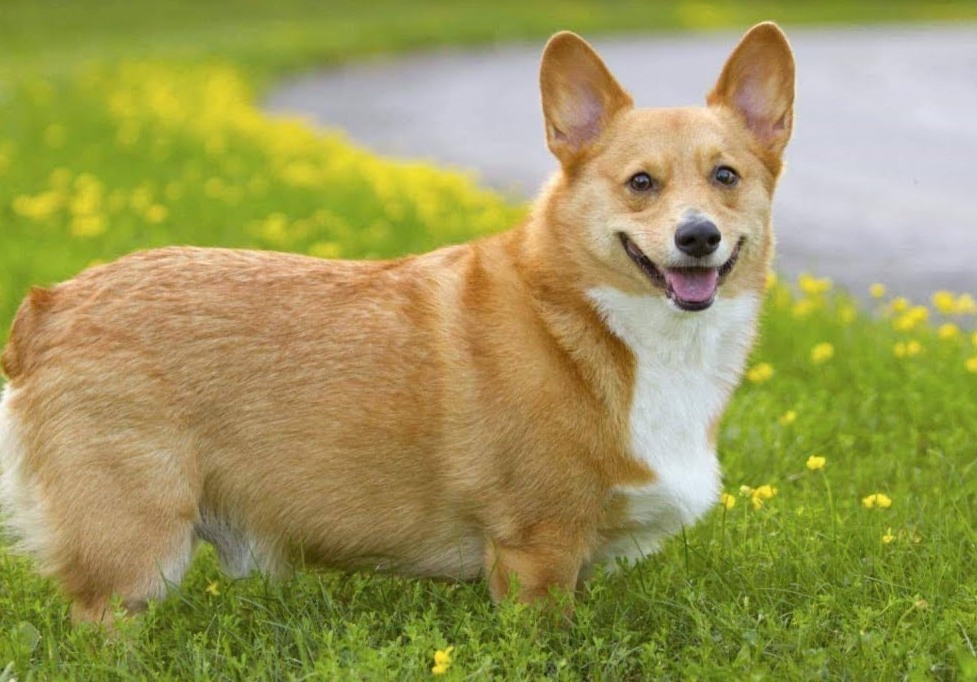
Pembrokes have slowly gained in popularity in the U.S., and today, are among the top 50 most popular breeds for family pets. They’re also popular with Her Majesty, Queen Elizabeth II of England, who received her first Pembroke Welsh Corgi from her father King George VI in 1933.
Pembrokes are generally healthy, but like all breeds, they’re prone to certain health conditions.

Pembroke Welsh Corgis can compete in dog agility trials, obedience, showmanship, flyball, tracking, and herding events. Herding instincts and train-ability can be measured at noncompetitive herding tests. Corgis, despite their dwarfism giving the illusion of small slow legs, can reach up to 25 mph if they are healthy and fit. This is because Corgis tend to use more upper body strength to run than most dogs, giving them enhanced abilities with such activities as agililty and herding and racing.

 The POSITIVE Catholic